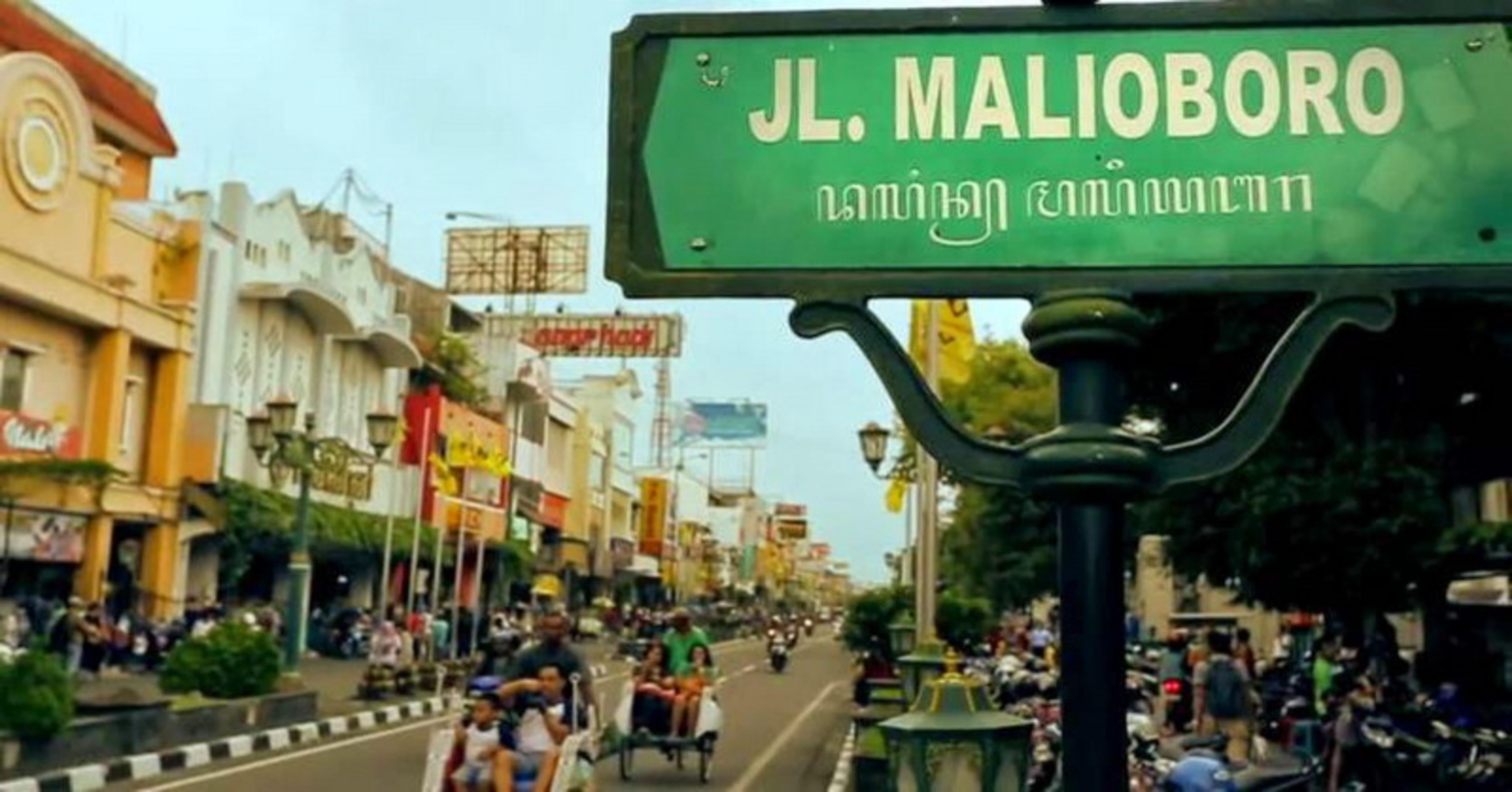
Malioboro: More Than Just a Shopping Street
If Yogyakarta is the soul of Java, then Malioboro is its pulse. This 1-km-long street is one of the most recognizable icons in Indonesia — yet many tourists only scratch its surface. This guide will help you experience Malioboro more deeply.
A Brief History
The name Malioboro is derived from Sanskrit, meaning "garland of flowers." Once a royal procession route from the Kraton to Mount Merapi, it has become a city center that blends tradition with modernity.
What to Do
Shopping
Malioboro's pavements are lined with vendors selling batik, blangkon (Javanese hats), wayang puppets, silver crafts, and various souvenirs. Bargaining tip: start at 30–40% of the asking price; being friendly and patient is key. For quality batik, visit Mirota Batik or the stalls inside Pasar Beringharjo.
Food
Don't miss the angkringan near Tugu Station for a cheap breakfast. For dinner, try the Lesehan Malioboro — floor-seating restaurants along the pavement that only open at night.
Art and Culture
Malioboro's street artists are free entertainment that never ceases to surprise. From portrait painters to keroncong musicians, there's always something to enjoy. Benteng Vredeburg at the southern end of Malioboro is a museum of Indonesia's independence struggle — too good to skip.
Best Times to Visit
- Morning (6:00–9:00 AM): Quiet, vendors just opening, great for architectural photography and atmosphere
- Evening (7:00–10:00 PM): Busiest and most festive, all lesehan restaurants open, street performers in full swing
- Avoid: Saturday–Sunday afternoons — extremely crowded
Getting There
Malioboro is in the heart of the city and can be reached by Trans Jogja from almost any point in the city. From Tugu Station, it's just a 5-minute walk south. Parking is very limited — it's best to arrive without a private vehicle.
Safe Shopping Tips
- Keep your wallet in a front bag or use a crossbody bag facing forward
- Compare prices at a few vendors before deciding to buy
- For large souvenir quantities, Pasar Beringharjo is cheaper than pavement vendors
- Credit/debit cards accepted at larger shops, but street vendors are cash only